
Why Convenience May Be the Missing Piece in Public Health
June 15, 2026 · Chef Stefano
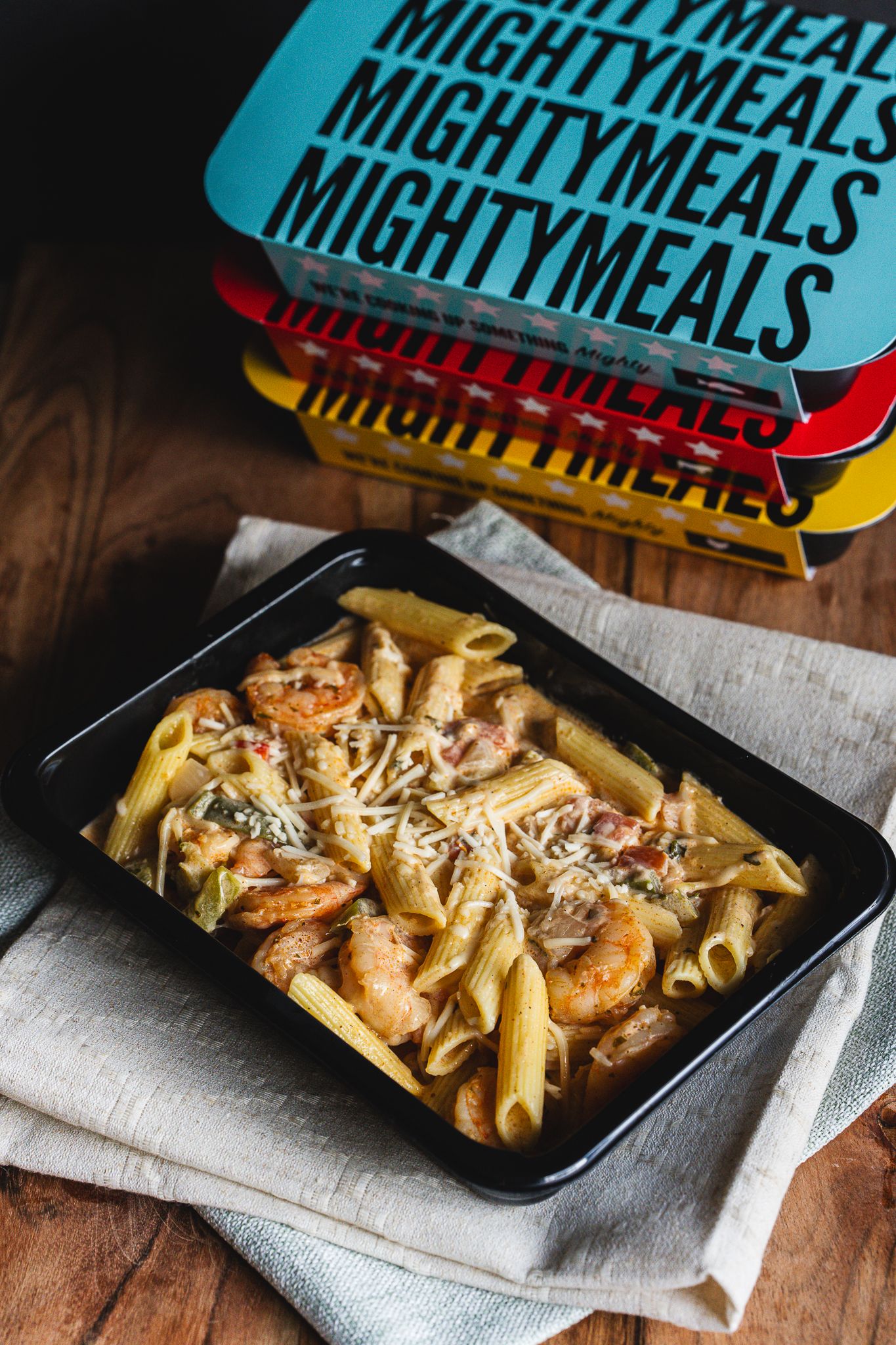
Why Convenience May Be the Missing Piece in Public Health
by Chef Stefano, CEO & Co-Founder of MightyMeals
If you ask most people what healthy eating looks like, they’ll probably give you a pretty good answer.
Eat more vegetables.
Prioritize protein.
Limit processed foods.
Drink more water.
The challenge isn’t a lack of information.
In fact, we live in a time where nutrition information is more accessible than ever. Between books, podcasts, social media, healthcare professionals, and endless online resources, most people have a general understanding of what they should be doing.
Yet obesity rates continue to rise. Chronic diseases remain widespread. Many people struggle to maintain healthy habits long-term.
That raises an important question:
If people know what healthy eating looks like, why is it still so difficult?
I believe the answer is often much simpler than we think.
It’s convenience.
Better Predictions Lead to Better Operations
One of the biggest challenges in the food industry is uncertainty.
How much product should you buy?
How many meals should you produce?
Which menu items will customers order next week?
Traditionally, these decisions relied heavily on historical trends, intuition, and educated guesses.
AI is changing that.
By analyzing large volumes of customer behavior, ordering patterns, seasonality, and operational data, companies can make far more accurate predictions about future demand.
This allows businesses to better align production with customer needs, reducing waste while improving availability.
The better you can predict demand, the more efficiently the entire business operates.
Smarter Supply Chains
Supply chain management is one of the most complex parts of any food operation.
Every ingredient must be sourced, transported, stored, and utilized efficiently while maintaining quality and freshness.
Small forecasting errors can create significant challenges.
Too much inventory creates waste.
Too little inventory creates shortages.
AI helps bridge that gap by providing greater visibility and more intelligent planning throughout the supply chain.
Instead of reacting to problems after they occur, businesses can identify trends and make adjustments before issues impact customers.
As food companies continue to grow, this type of predictive capability becomes increasingly valuable.
The Future of Personalized Nutrition
One area that excites me the most is the intersection of AI and personalized nutrition.
For decades, nutrition advice has largely been one-size-fits-all.
But the reality is that different people have different goals, lifestyles, activity levels, and health needs.
What works for one person may not work for another.
AI has the potential to help create much more personalized nutrition experiences by analyzing factors such as:
- Health goals
- Dietary preferences
- Activity levels
- Ordering behavior
- Nutritional needs
Over time, I believe we’ll see food recommendations become increasingly tailored to individual users, creating a more personalized and effective approach to healthy eating.
Operational Efficiency at Scale
As businesses grow, complexity grows with them.
More customers. More products. More deliveries. More moving pieces.
The challenge becomes maintaining quality while increasing scale.
AI can help automate routine processes, improve decision-making, and identify inefficiencies that would otherwise be difficult to detect.
This allows teams to spend less time on repetitive tasks and more time focusing on innovation, customer experience, and strategic growth.
The goal isn’t replacing people.
The goal is helping people operate more effectively.
The companies that successfully leverage AI will be able to scale faster while maintaining higher levels of consistency and efficiency.
Knowledge Isn't the Problem
For years, many health initiatives have focused on education.
And education matters.
People should understand how nutrition impacts their health, energy, performance, and quality of life.
But knowledge alone rarely changes behavior.
Most people don’t wake up wanting to make unhealthy choices.
They’re simply navigating busy lives.
Between work, family responsibilities, commuting, travel, and everything else competing for attention, convenience often becomes the deciding factor in what ends up on the plate.
When people are tired, stressed, or pressed for time, the easiest option usually wins.
Healthy Intentions Meet Real Life
Almost everyone has started a week with good intentions.
They plan to cook more.
Prepare healthier meals.
Make better choices.
Then reality shows up.
A late meeting.
A child’s soccer practice.
An unexpected obligation.
A long commute.
Suddenly, the healthy meal that seemed realistic on Sunday becomes much harder to execute on Wednesday.
This isn’t a motivation problem.
It’s often an infrastructure problem.
The healthier choice simply requires more time, effort, and planning than the alternative.
Public Health Needs Better Systems
One of the biggest lessons I’ve learned building MightyMeals is that behavior changes dramatically when convenience changes.
When healthy food becomes easier to access, people eat healthier.
When healthy meals are readily available, people make better decisions.
When the friction is removed, consistency becomes much easier.
That’s why I often think about public health through the lens of systems rather than willpower.
Instead of asking people to be more disciplined, we should be asking:
How can we make healthy choices easier?
How can we reduce barriers?
How can we create environments where the better option is also the most convenient option?
Those questions have the potential to create far greater impact than simply telling people what they should do.
Food as Medicine Requires Access
There’s a growing conversation around the idea of food as medicine.
I fully believe nutrition plays a critical role in long-term health outcomes.
But if we’re serious about using food as a preventative healthcare tool, access and convenience have to be part of the conversation.
Healthy eating can’t only be available to people who have extra time.
Or extra resources.
Or the ability to meal prep every weekend.
It needs to be practical and accessible for everyday people living everyday lives.
Because a nutrition plan only works if people can actually follow it.
The Future of Health May Be Simpler Than We Think
When we talk about improving public health, we often focus on breakthroughs, technologies, and new treatments.
Those innovations matter.
But sometimes the biggest opportunities come from solving very simple problems.
Making healthy food easier to find.
Easier to afford.
Easier to prepare.
Easier to choose.
The more convenient healthy living becomes, the more likely people are to stick with it.
And when millions of people make slightly better decisions every day, the long-term impact can be enormous.
Building Better Choices
At MightyMeals, that’s a principle we think about constantly.
Not just creating healthy meals, but creating a system that makes healthy eating easier to maintain.
Because ultimately, most people don’t need another lecture about nutrition.
They need solutions that fit into real life.
And if we want to improve health outcomes at scale, convenience may be one of the most powerful tools we have.