
Daily Meal Delivery: Your Guide to Healthy Eating
March 20, 2026 · Meal Plan, Uncategorized
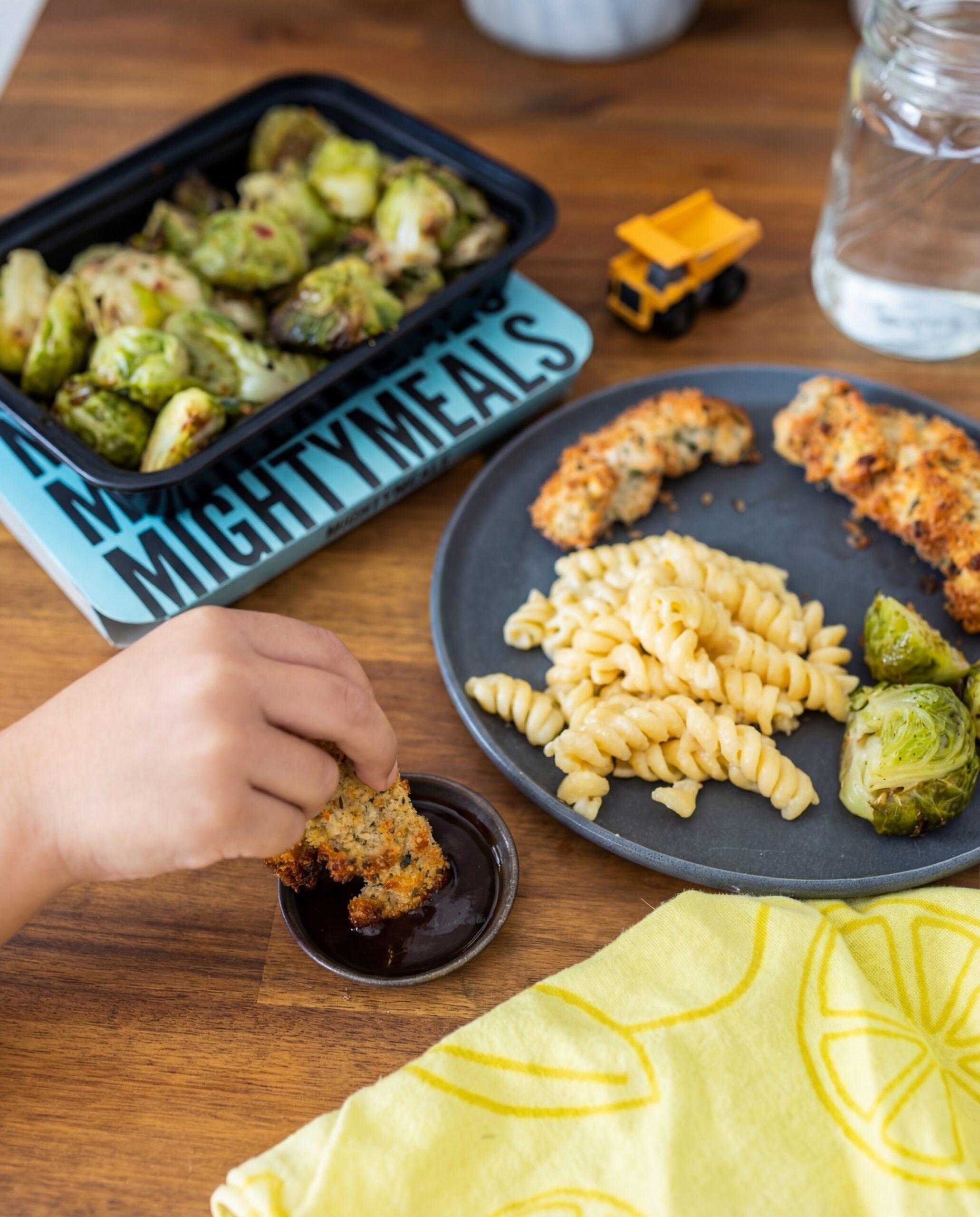
The modern lifestyle demands convenience without compromise, especially when it comes to nutrition. Daily meal delivery has transformed how Americans approach healthy eating, eliminating meal planning stress while ensuring you stay on track with your fitness and wellness goals. Whether you’re a busy professional, an athlete, or simply someone who values their time, having fresh, macro-accurate meals show up at your doorstep can be the game-changer you’ve been looking for.
The Rise of Fresh Meal Delivery Services
The meal delivery industry has exploded in recent years, with market projections showing significant growth across the United States. But not all services are created equal.
What sets quality daily meal delivery apart?
The difference lies in freshness. While some competitors rely on frozen meals that sit in warehouses for weeks, the best services prepare meals fresh in local kitchens and deliver them to your door within days. This approach ensures maximum nutrient retention, superior taste, and the kind of quality you’d expect from a personal chef.
Understanding the Fresh vs. Frozen Debate
When evaluating meal delivery options, the preparation method matters tremendously:
- Fresh preparation: Meals cooked within 24-48 hours of delivery, maintaining optimal texture and nutritional value
- Flash freezing: Industrial process that can degrade certain nutrients and alter food texture
- Shelf stability: Fresh meals typically last 7-10 days refrigerated, providing flexibility without freezer dependence
- Taste profile: Fresh meals deliver restaurant-quality flavor that frozen options struggle to match
Research on home-delivered meal services confirms that taste and quality are critical factors in long-term adherence to healthy eating programs. When meals taste incredible, you’re far more likely to stick with your nutrition plan.
How Daily Meal Delivery Supports Your Health Goals
Think about your current meal routine. How much time do you spend grocery shopping, meal planning, cooking, and cleaning up? For most people, it’s 8-12 hours per week. That’s essentially a part-time job dedicated just to feeding yourself.
The Macro-Tracking Advantage
For anyone serious about fitness or body composition, tracking macronutrients (protein, carbohydrates, and fats) is essential. Here’s where daily meal delivery becomes invaluable:
Traditional meal prep challenges:
- Calculating exact macro values for ingredients
- Weighing and measuring everything
- Adjusting recipes when portions don’t align
- Accounting for cooking methods that affect nutrition
- Maintaining consistency across multiple meals
With chef-prepared, dietitian-approved meals:
- Every macro is calculated and verified
- Portion sizes are precise and consistent
- Nutritional information is clearly labeled
- No guesswork or food scales required
- Complete transparency in ingredients
Choosing the Right Service for Your Lifestyle
Not everyone needs the same thing from their daily meal delivery service. Your choice should align with your specific goals, dietary preferences, and lifestyle demands.
Key Factors to Consider
Dietary customization options: The best services offer extensive menu variety to accommodate different nutritional approaches. Whether you’re following a low-carb protocol, need gluten-free options, prefer plant-based eating, or require high-protein meals for muscle building, your service should adapt to you.
Flexibility and commitment: Pay attention to subscription requirements. Some services lock you into weekly commitments, while others operate on a more flexible model. Consumer research on meal delivery services shows that flexibility significantly impacts customer satisfaction and long-term use.
The no-subscription model allows you to:
- Order exactly when you need meals
- Skip weeks without penalties
- Adjust order sizes based on your schedule
- Try the service without long-term commitment
Evaluating Nutritional Quality
Don’t just take marketing claims at face value. Studies analyzing meal kit nutritional content reveal significant variations in sodium levels, portion accuracy, and macronutrient balance across different services.
Questions to ask before committing:
- Are meals prepared fresh or frozen?
- Where is the food actually prepared?
- What certifications do the kitchens hold?
- Who designs the nutritional profiles?
- How are macros calculated and verified?
- What’s the sourcing policy for ingredients?
- How transparent is the ingredient list?
The Science Behind Meal Delivery Success
When we talk about daily meal delivery transforming lives, we’re not being hyperbolic. The impact extends beyond simple convenience.
Research examining meal delivery programs for community members demonstrates measurable improvements in nutritional intake, reduced food insecurity, and better adherence to dietary recommendations.
Why Consistency Matters
The 80/20 rule of nutrition: Most people understand what healthy eating looks like in theory. The challenge isn’t knowledge; it’s execution. When healthy, portioned meals arrive at your door daily, you remove the primary barriers to consistent nutrition:
- Decision fatigue (what should I eat?)
- Time constraints (I don’t have time to cook)
- Skill limitations (I can’t cook healthy food that tastes good)
- Planning failures (I forgot to grocery shop)
This consistency compounds over time. Missing one workout won’t derail your fitness, but missing 50% of them will. The same applies to nutrition. Daily meal delivery helps you hit your targets 90%+ of the time instead of 60%.
Maximizing Value from Your Meal Service
Getting the most from daily meal delivery requires a strategic approach. Here’s how high-performers optimize their meal delivery experience:
Strategic Ordering Patterns
- Start with a trial week: Order 5-7 meals to test quality, portions, and taste preferences
- Identify your staples: Find 3-5 meals you absolutely love and rotate them regularly
- Use variety strategically: Mix in new options weekly to prevent menu fatigue
- Plan around your schedule: Order more meals during busy weeks, fewer when you have time to cook
- Coordinate with your training: Match meal timing and macro profiles to your workout schedule
Storage and Preparation Best Practices
Fresh meals require proper handling to maintain quality:
Upon delivery:
- Refrigerate immediately (don’t leave meals at room temperature)
- Check expiration dates and plan consumption order
- Organize by date to ensure nothing goes to waste
Heating methods matter:
- Microwave: Quick and convenient, but can create uneven heating
- Oven reheating: Takes longer but provides better texture
- Stovetop: Ideal for meals with sauces or grains
- Air fryer: Excellent for maintaining crispiness in proteins
Real-World Applications Across Different Lifestyles
Daily meal delivery isn’t just for bodybuilders and fitness enthusiasts. The applications span multiple life situations and goals.
The Busy Professional
When you’re working 50+ hour weeks, meal planning falls to the bottom of your priority list. You end up ordering takeout, eating processed snacks, or skipping meals entirely. None of these options support sustained energy, mental clarity, or long-term health.
How daily delivery changes the equation: You have restaurant-quality, nutritionally balanced meals ready when you need them. No thinking required. Just heat and eat. This consistency stabilizes blood sugar, improves focus, and eliminates the 3 PM energy crash that comes from poor lunch choices.
The Fitness Enthusiast
Building muscle or losing fat requires precise nutrition. You can’t out-train a bad diet, and inconsistent macro intake slows progress significantly.
Fresh, macro-accurate meals delivered daily mean:
- Hitting protein targets every single day
- Controlling calorie intake without constant tracking
- Supporting recovery with proper post-workout nutrition
- Maintaining meal timing consistency
The Health-Conscious Family
Teaching children healthy eating habits starts with what you put on the table. When healthy food is convenient and tastes great, everyone wins.
Family benefits include:
- Introducing kids to diverse, nutritious foods
- Reducing nightly cooking stress for parents
- Ensuring balanced nutrition during hectic schedules
- Modeling healthy relationships with food
Understanding the Economics of Meal Delivery
Let’s address the elephant in the room: cost. At first glance, daily meal delivery might seem expensive compared to cooking at home. But is it really?
The True Cost Comparison
Traditional grocery shopping and cooking:
- Groceries: $80-120 per person weekly
- Wasted ingredients: $15-25 weekly
- Time value (8 hours at $25/hour): $200
- Kitchen utilities and supplies: $10-15
- Total weekly cost: $305-360
Quality daily meal delivery:
- Meal service: $120-160 per person weekly
- Zero waste
- Zero time investment
- No additional costs
- Total weekly cost: $120-160
When you factor in time value and reduced waste, the economics become compelling. Plus, you’re getting chef-prepared meals with precise nutrition, not basic home cooking.
Investment in Long-Term Health
Consider the downstream costs of poor nutrition:
- Medical expenses from diet-related conditions
- Lost productivity from low energy and brain fog
- Fitness goals delayed or abandoned due to inconsistent nutrition
- Mental and emotional stress from constant meal planning
Quality nutrition isn’t an expense. It’s an investment in your most valuable asset: your health.
The MightyMeals Difference in Daily Delivery
While the meal kit delivery market continues to expand, discerning consumers recognize that not all services deliver equal value.
What Fresh Really Means
“Fresh, never frozen” has become a marketing buzzword, but it should be a verifiable standard. Truly fresh meals are:
- Prepared in local, certified kitchens
- Delivered within 48 hours of cooking
- Stored at proper temperatures throughout the supply chain
- Made with locally sourced ingredients when possible
- Free from preservatives needed for long-term storage
The No-Subscription Advantage
Traditional meal services lock you into weekly subscriptions with complicated pause procedures and cancellation hassles. This model works for the company, not necessarily for you.
True flexibility means:
- Ordering exactly what you need, when you need it
- Skipping weeks without fees or penalties
- Adjusting quantities based on your changing schedule
- No commitment pressure or hidden charges
This approach respects your autonomy and acknowledges that life isn’t perfectly predictable. Some weeks you’ll need 15 meals; other weeks you might need five. Your meal service should adapt to your life, not the other way around.
Navigating Common Concerns and Questions
Switching to daily meal delivery represents a significant lifestyle shift. It’s natural to have questions and concerns.
“Won’t I get bored eating the same meals?”
This misconception assumes limited variety, which simply isn’t true with quality services. Diverse menu rotations, seasonal offerings, and extensive customization options ensure you’re never stuck in a rut.
Variety strategies:
- Weekly menu rotations with 20+ options
- Seasonal ingredient changes
- Different cuisine styles (Mediterranean, Asian-inspired, American classics)
- Varying cooking methods and flavor profiles
- Special occasion or limited-time offerings
“What about social eating and restaurants?”
Daily meal delivery doesn’t mean giving up social dining experiences. It means having a reliable foundation for 80-90% of your meals so you can enjoy restaurants and social events guilt-free.
The flexibility to pause or reduce orders during vacations, holidays, or busy social periods ensures the service works with your life, not against it.
“How do I know the nutrition information is accurate?”
Legitimate concerns about accuracy are valid. Look for services that:
- Employ registered dietitians
- Use commercial-grade nutritional analysis software
- Weigh ingredients precisely during preparation
- Third-party verify their claims
- Provide complete ingredient transparency
Making the Transition to Daily Meal Delivery
Ready to try daily meal delivery? Here’s your roadmap for a smooth transition:
Week 1-2: Partial Integration
- Order 5-7 meals for the week
- Use them for your busiest days
- Keep some home cooking for variety
- Identify favorite meals and flavors
Week 3-4: Increasing Reliance
- Expand to 10-12 meals weekly
- Establish your heating and storage routine
- Fine-tune portion sizes and meal timing
- Explore different menu categories
Week 5+: Full Integration
- Settle into your ideal weekly order quantity
- Establish reorder patterns
- Use the freed-up time for activities you value
- Track improvements in energy, performance, and well-being
Setting Realistic Expectations
Daily meal delivery solves numerous problems, but it’s not magic. You still need to:
- Make the choice to heat and eat the meals (they won’t jump into your mouth)
- Stay hydrated and maintain other healthy habits
- Pair good nutrition with adequate sleep and stress management
- Be patient as your body adjusts to consistent, quality nutrition
The results compound over time. Give yourself at least 30 days to fully experience the benefits and establish new routines.
The Future of Healthy Eating
Daily meal delivery represents a fundamental shift in how we approach nutrition. As the industry matures, expect continued improvements in:
- Ingredient sourcing and sustainability
- Customization based on individual biomarkers
- Integration with fitness tracking and health apps
- Local kitchen expansion for fresher delivery
- Increased dietary specialization options
The convenience economy isn’t going away. The question isn’t whether meal delivery will continue growing-it’s which services will earn and keep your trust through consistent quality, transparency, and genuine care for your health outcomes.
Your nutrition directly impacts everything: your energy levels, mental clarity, physical performance, longevity, and quality of life. Treating it as a priority, not an afterthought, positions you for success in every other area.
---
Making the commitment to consistent, quality nutrition doesn’t have to be complicated or time-consuming. With the right daily meal delivery partner, you can fuel your body properly while reclaiming hours each week for what matters most. If you’re ready to experience fresh, never frozen, chef-prepared meals with precise macro tracking and zero subscription requirements, discover how MightyMeals makes healthy eating effortless. Choose healthy, live mighty.