
Why Food Is One of the Most Powerful Healthcare Tools We Have
June 1, 2026 · Chef Stefano
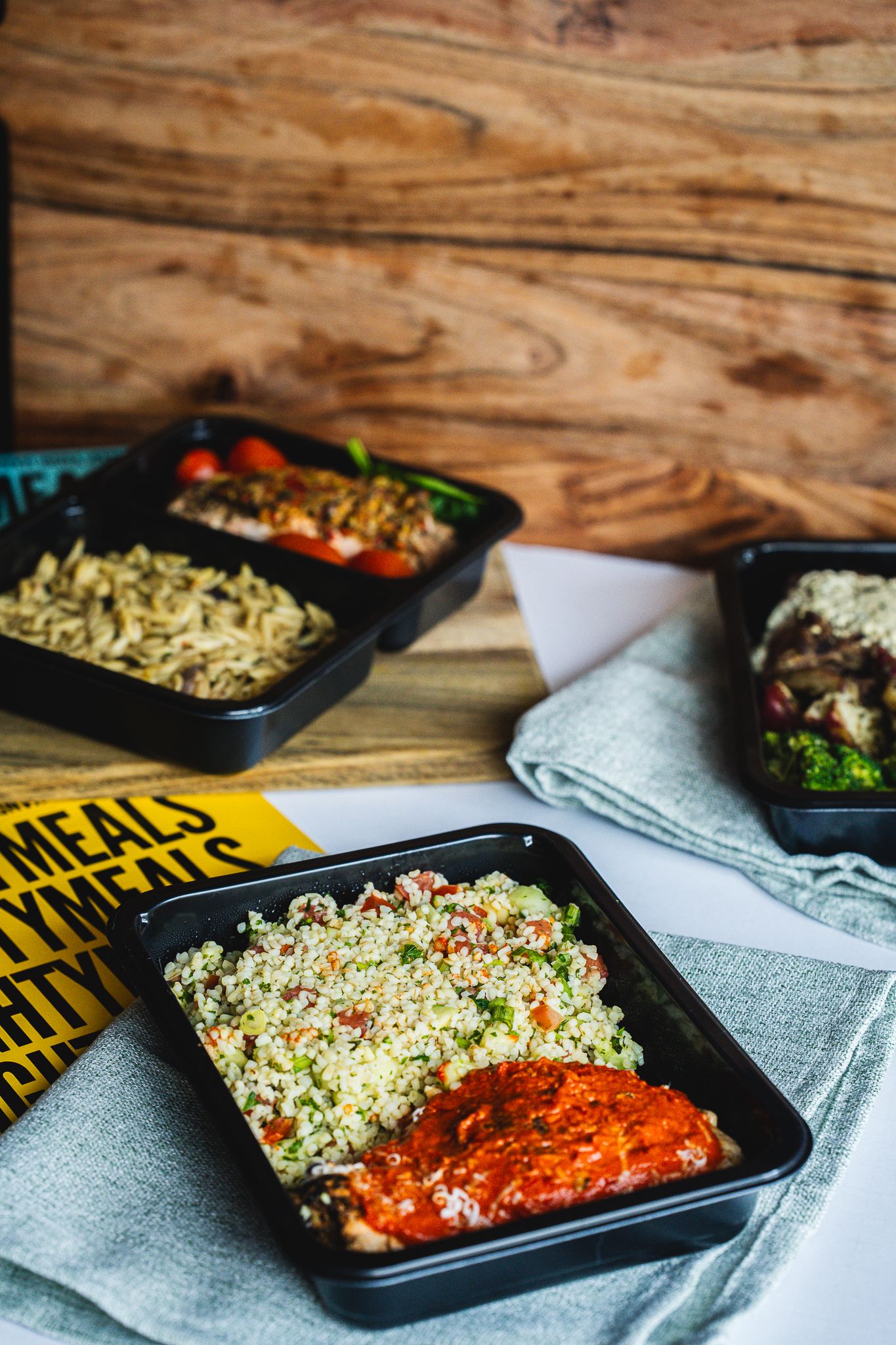
Why Food Is One of the Most Powerful Healthcare Tools We Have
by Chef Stefano, CEO & Co-Founder of MightyMeals
When most people think about healthcare, they think about hospitals, doctors, medications, and treatments.
Those things are incredibly important.
But I believe one of the most powerful healthcare tools available to us is something we interact with every single day:
Food.
And yet, despite its impact on nearly every aspect of our health, nutrition is often treated as an afterthought rather than a foundation.
Healthcare Usually Starts Too Late
The traditional healthcare system is largely designed to react to problems after they appear.
We wait until someone develops a chronic condition. We wait until symptoms become severe enough to require intervention. We wait until health has already started to decline.
But many of the most common health challenges facing our country today—obesity, diabetes, heart disease, hypertension, and countless others—are heavily influenced by lifestyle and nutrition choices made long before a diagnosis occurs.
That doesn’t mean food is a cure-all.
But it does mean that what we eat has an enormous impact on our long-term health trajectory.
The Connection Between Food and Outcomes
The relationship between nutrition and health isn’t complicated.
The foods we consume affect:
- Energy levels
- Recovery
- Weight management
- Cardiovascular health
- Cognitive performance
- Metabolic function
- Overall quality of life
Every meal is either supporting our health goals or working against them. The challenge isn’t that people don’t understand this. Most people already know that eating healthier would benefit them.
The real challenge is execution.
Convenience Matters More Than We Realize
One thing I’ve learned building MightyMeals is that healthy eating isn’t just a nutrition problem—it’s often a convenience problem.
People are busy. They’re balancing careers, families, responsibilities, commutes, and countless competing priorities.
When healthy options are difficult, expensive, or time-consuming, convenience often wins. That’s why I believe improving health outcomes isn’t only about education. It’s about creating systems that make healthier choices easier to access and easier to maintain.
When healthy food becomes the convenient option, everything changes.
Food as Prevention, Not Just Fuel
For decades, we’ve largely viewed food as fuel.
Calories in. Calories out.
But we’re increasingly seeing food play a much larger role in conversations around prevention, longevity, and overall wellness.
The future of healthcare will not simply be about treating illness. It will be about preventing it whenever possible.
And nutrition will be one of the most important tools in that effort.
That’s why partnerships between food providers, healthcare systems, employers, and wellness organizations are becoming increasingly important. The goal isn’t just to feed people—it’s to help create healthier outcomes over time.
The Future Is Integration
I believe we’re moving toward a future where food, healthcare, and technology become much more interconnected.
We’ll see more personalized nutrition programs. More preventative care initiatives. More data-driven approaches to helping people make better decisions about what they eat and how it impacts their health.
The organizations that succeed won’t view food and healthcare as separate industries.
They’ll recognize that they’re deeply connected.
Building Toward a Better System
At MightyMeals, this idea has been part of our mission from the beginning.
Yes, we’re a food company.
But we’re also trying to solve a much bigger problem: making healthy eating more accessible, more convenient, and more sustainable for everyday people.
Because when healthier choices become easier choices, everybody wins.
And if we’re serious about improving health outcomes at scale, food has to be part of the conversation.