Food as Medicine Shouldn't Wait for a Diagnosis
November 19, 2026
by Chef Stefano, CEO & Co-Founder of MightyMeals
The Food as Medicine movement is one of the most encouraging things happening in healthcare right now.
More doctors, hospitals and health systems are recognizing that what people eat matters just as much as what's on their prescription.
I'm all for it.
But I think there's a gap in how we usually talk about it.
Most of the time, food becomes "medicine" only after someone is already sick.
We Wait Too Long
Think about how it usually works.
Someone gets a diagnosis. Then, suddenly, nutrition becomes urgent. They're handed a list of foods to avoid, maybe a referral to a dietitian and a lot of new rules.
That support matters. It can change lives.
But it often arrives late.
By the time food becomes part of the treatment plan, a lot of years of everyday eating have already happened.
Prevention Is Less Dramatic, but More Powerful
Prevention doesn't make headlines.
Nobody celebrates the health problem that never happened. There's no big moment when someone avoids a condition because they ate well for a decade.
But that's exactly where food has the most power.
Small, consistent choices, made over years, shape health in ways a single intervention never can.
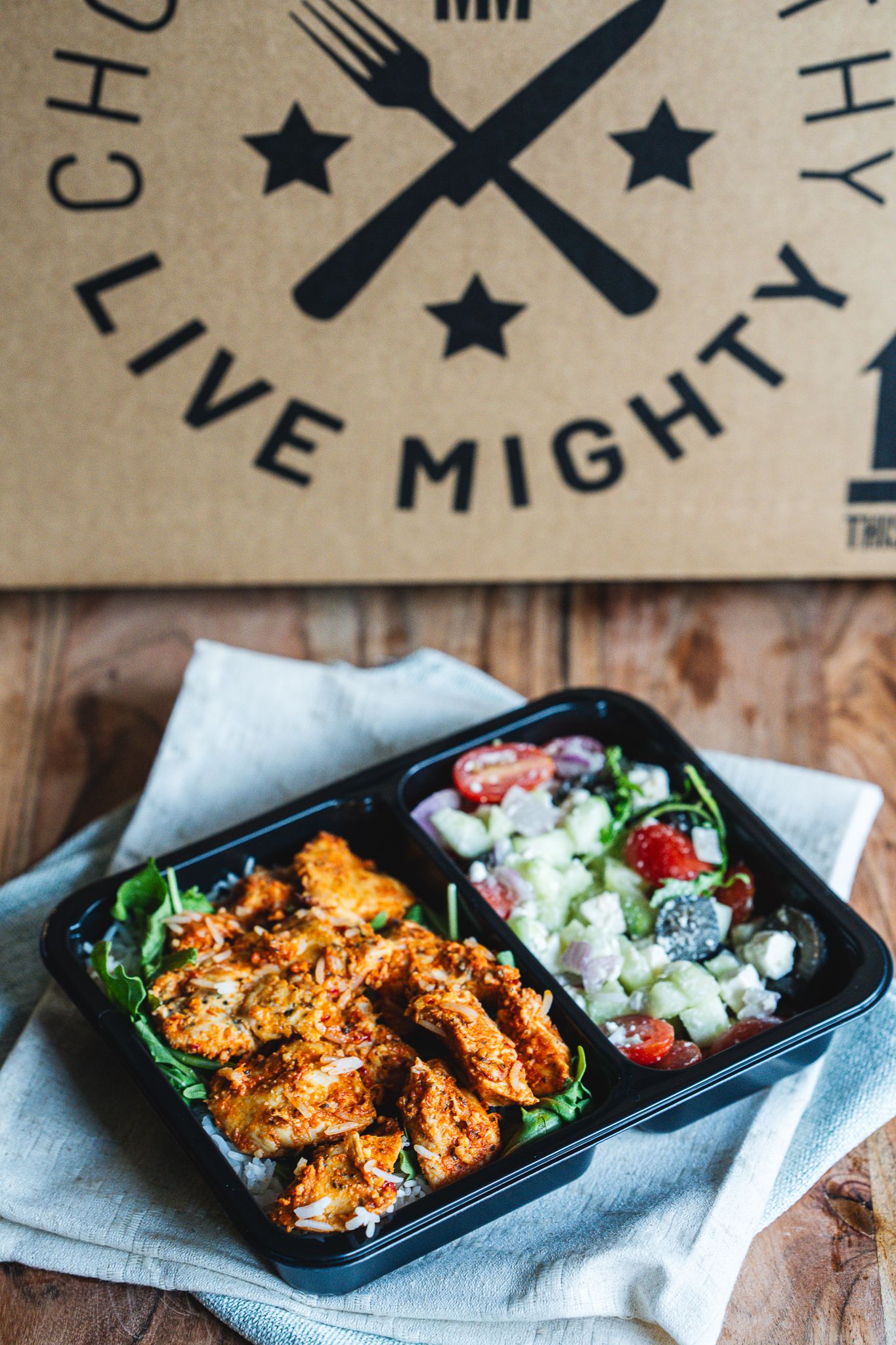
That's why I believe Food as Medicine should start much earlier. Not in the exam room. In the kitchen, on a regular Tuesday.
Good Intentions Aren't the Problem
Most people already want to eat better.
What gets in the way is usually time, energy, cost and convenience. When life is busy, the easiest option wins.
So if we want food to work as prevention, we can't just tell people what to eat.
We have to make the better choice the easier choice.
That's a big part of why MightyMeals exists.
Everyone Has a Role
Prevention isn't something one group can solve alone.
Healthcare providers can talk about nutrition earlier, not just after a diagnosis.
Employers can make it easier for their teams to eat well during the workday.
Food companies can make nutritious food more convenient, more accessible and more enjoyable.
And families can build small habits that add up over time.
None of these steps are dramatic on their own. Together, they can change the trajectory of people's health.
The Best Treatment Is the One You Never Need
I'm excited about where Food as Medicine is headed. I think it will be one of the defining shifts in healthcare over the next decade.
But I hope the conversation keeps expanding.
The goal shouldn't only be to use food to help people recover.
It should be to help them stay well in the first place.
Where do you think Food as Medicine could make the biggest difference before people get sick?