
Food Insecurity Doesn't Always Look the Way You Think
November 13, 2026
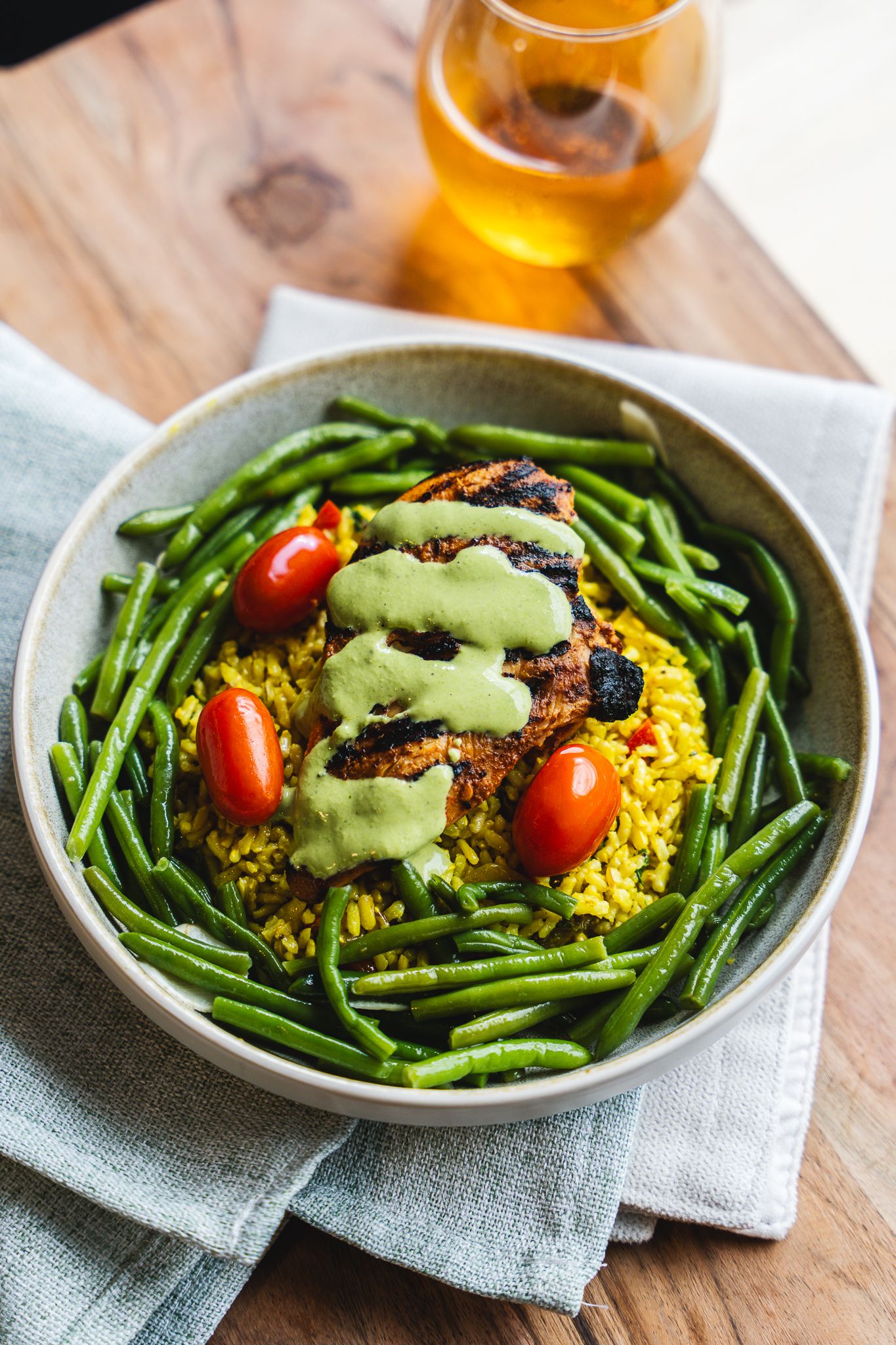
by Chef Stefano, CEO & Co-Founder of MightyMeals
When most people picture food insecurity, they picture an empty pantry or a long line at a food bank.
Those images are real.
But they're only part of the story.
The more time I've spent learning about this issue, the more I've realized that food insecurity is often invisible. It can affect people with jobs, homes and families who look, from the outside, like they're doing fine.
It's Not Always About Having No Food
Food insecurity isn't only about going hungry.
It's also about uncertainty. Not knowing whether there will be enough at the end of the month. Choosing between groceries and a utility bill. Buying what's cheapest and most filling instead of what's healthiest.
A family can have food in the house and still be food insecure.
That's one of the reasons it's so easy to miss.
It Often Hides in Plain Sight
The person dealing with this might be a coworker. A parent at your kid's school. Someone who checks out ahead of you at the grocery store.
Most people won't talk about it. There's still a lot of stigma, and many families work hard to make sure nobody can tell.
That silence makes the problem easier to ignore.
It also means that if we only look for the most visible signs, we'll miss a lot of the people who need help.
Kids Feel It First
This issue became personal for me through our work with Children's National Hospital.
Children's National played a major role in my own life when I was young. So when we had the chance to partner with them, it meant a lot.
In 2025, MightyMeals committed to providing 10,000 prepared meals over ten months to families through the hospital's community pediatric health network.
Working on that partnership opened my eyes to how closely food and children's health are connected. When kids don't have consistent access to nutritious food, it can affect their health, their energy and their ability to focus in school.
Those effects don't always show up right away. But they add up.
Cheap Calories Aren't the Same as Nutrition
One of the hardest parts of food insecurity is that the most affordable, convenient options are often the least nourishing.
When money and time are tight, people make the choices that get them through the day. That's not a character flaw. It's a rational response to a hard situation.
That's why I don't think the answer is just "more food."
It's access to good food. Food that's nutritious, ready to eat and actually appealing.
As a chef, I believe nourishing food should never feel like a consolation prize.
This is also where the Food as Medicine conversation and the food insecurity conversation meet. We increasingly understand how much diet affects long-term health. But that knowledge doesn't help much if the people who would benefit most can't get the food in the first place.
Access has to be part of the solution, not an afterthought.
Businesses Have a Role to Play
Food banks, hospitals, schools and community groups do incredible work. But they can't carry this alone.
Businesses, especially food businesses, have real capabilities to contribute: production, logistics, relationships and expertise.
I also think companies can look inward. Are there people on your own team who are struggling quietly? Do your benefits, schedules and pay make it easier or harder for them to feed their families?
Those aren't easy questions. They're worth asking anyway.
Seeing It Is the First Step
You can't help solve a problem you don't see.
So the next time you think about food insecurity, I'd ask you to widen the picture. It might be closer than you think.
And once you see it, it's hard to look away.
What's one thing you think businesses could do better to address food insecurity in their communities?