
The Future of Healthcare Will Be More Proactive Than Reactive
June 18, 2026 · Chef Stefano
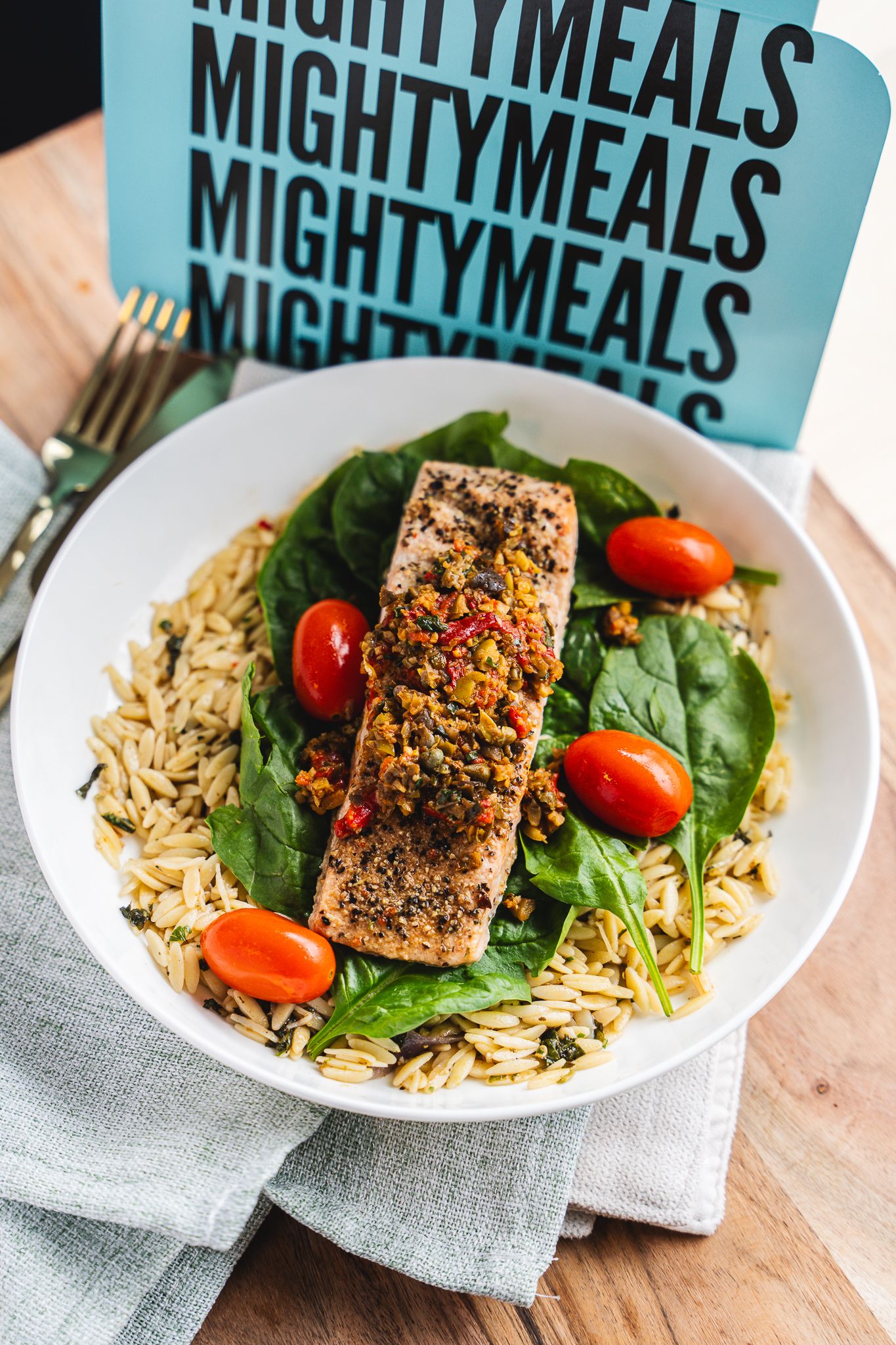
The Future of Healthcare Will Be More Proactive Than Reactive
by Chef Stefano, CEO & Co-Founder of MightyMeals
For most of modern history, healthcare has been designed to respond to problems after they occur.
You get sick.
You develop symptoms.
You visit a doctor.
Treatment begins.
There’s no question that reactive care is important. Hospitals, physicians, medications, and medical interventions save lives every day.
But as healthcare costs continue to rise and chronic diseases become increasingly common, I believe we’re moving toward a future that looks very different.
A future where healthcare focuses less on reacting to illness and more on preventing it in the first place.
And nutrition will play a major role in that shift.
The Cost of Waiting
Many of the most common health challenges facing our country don’t develop overnight.
Conditions like obesity, type 2 diabetes, hypertension, and heart disease often develop over years through a combination of lifestyle, environmental, and genetic factors.
By the time symptoms appear, the problem has often been building for a long time.
That’s one of the reasons preventative care is becoming such an important conversation.
The earlier we can identify risks and help people make sustainable changes, the better the potential outcomes become.
Prevention isn’t just better for patients.
It’s often better for healthcare systems as well.
Food Is One of the Most Accessible Health Interventions
When people hear the phrase “healthcare innovation,” they often think about new technologies, breakthrough treatments, or advanced medical devices.
Those innovations matter.
But one of the most powerful health interventions available already exists.
Food.
The foods we eat influence energy levels, weight management, cardiovascular health, metabolic health, recovery, and overall well-being.
Every meal represents an opportunity to either support or undermine long-term health outcomes.
That’s why the idea of “food as medicine” continues to gain momentum across healthcare, nutrition, and public health communities.
Not because food replaces medicine.
But because nutrition can play an important role in reducing risk before medical intervention becomes necessary.
Nutrition Intervention Is Becoming More Important
Historically, nutrition has often been treated as an afterthought in healthcare conversations.
That’s changing.
Healthcare providers, employers, insurers, and wellness organizations are increasingly recognizing that supporting healthy eating habits can have a meaningful impact on long-term outcomes.
We’re seeing more interest in:
- Nutrition counseling
- Personalized meal programs
- Wellness initiatives
- Preventative health strategies
- Food-based interventions
The goal isn’t simply to help people eat healthier.
The goal is to help improve quality of life while reducing the likelihood of future health complications.
The Rise of Healthcare Partnerships
One trend I’m particularly excited about is the growing collaboration between healthcare organizations and food providers.
For years, healthcare and nutrition often operated in separate worlds.
Today, those lines are beginning to blur.
More organizations are recognizing that improving health outcomes requires looking beyond traditional medical treatment alone.
That means creating partnerships that help patients access healthier options, maintain consistency, and build sustainable habits.
The future won’t be about healthcare systems working independently.
It will be about ecosystems working together.
Healthcare providers.
Nutrition experts.
Food companies.
Technology platforms.
All aligned around helping people live healthier lives.
Making Healthy Choices Easier
One of the biggest challenges isn’t awareness.
Most people already know that healthier eating can improve their health.
The challenge is execution.
Life gets busy.
Schedules get packed.
Convenience often wins.
That’s why I believe the future of preventative healthcare isn’t simply about education.
It’s about making healthier choices easier, more accessible, and more sustainable.
The easier healthy living becomes, the more likely people are to maintain it.
Building Toward a Healthier Future
At MightyMeals, we’ve always believed that convenience and nutrition can work together.
Our mission isn’t simply to deliver meals.
It’s to remove barriers that make healthy eating difficult.
Because if we’re serious about improving health outcomes at scale, we have to make healthy choices practical for everyday people.
The future of healthcare will always need doctors, hospitals, and treatments.
But I believe it will also place much greater emphasis on prevention, nutrition, and lifestyle interventions long before someone becomes a patient.
And that’s a future worth building toward.