
Meal Delivery NJ: Your Guide to Fresh, Healthy Options
March 11, 2026 · Meal Plan, Uncategorized
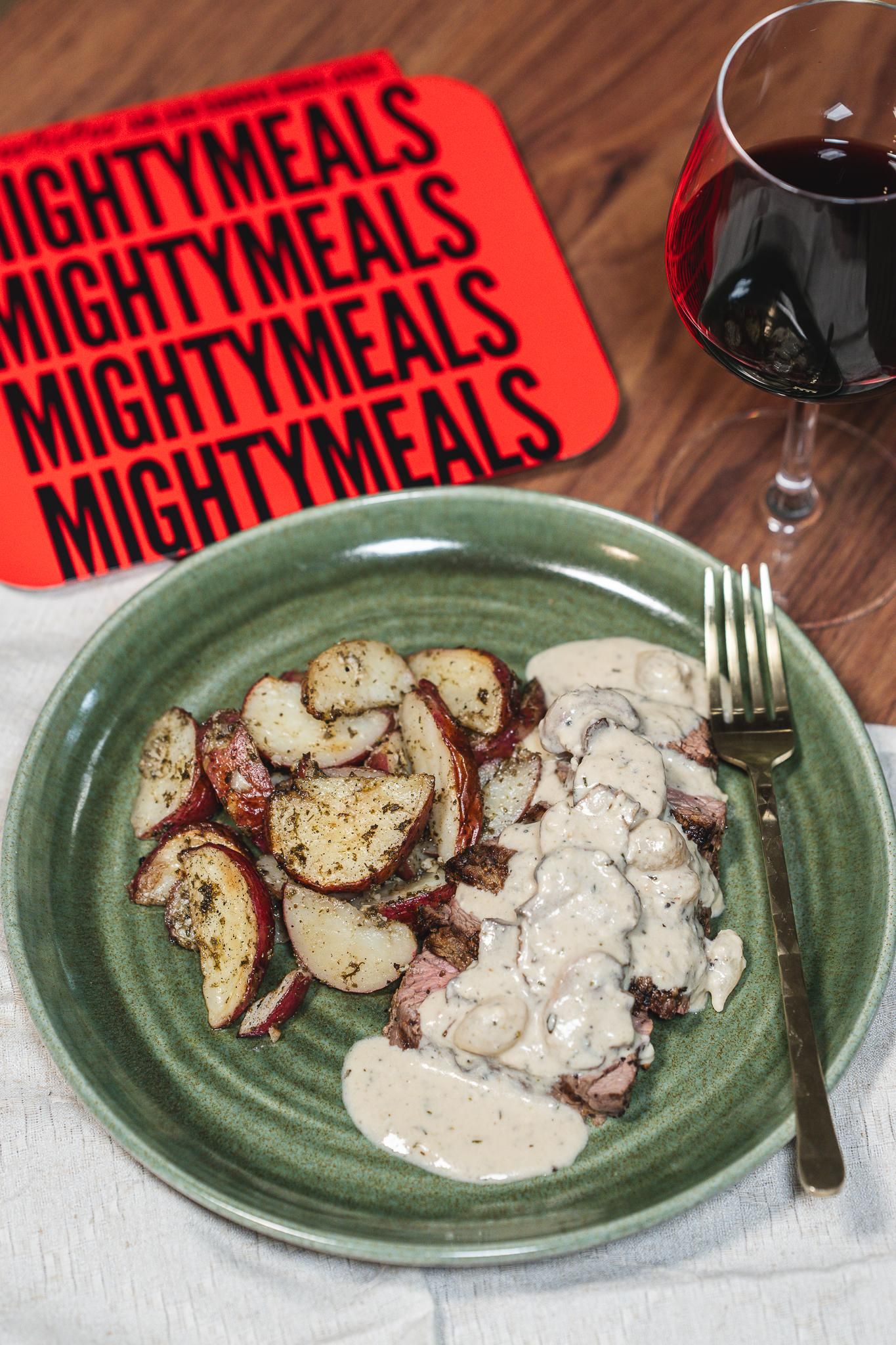
Finding time to cook nutritious, balanced meals while juggling work, fitness goals, and personal commitments can feel overwhelming. That's why meal delivery services have revolutionized how busy New Jersey residents approach healthy eating. Whether you're training for a marathon, managing dietary restrictions, or simply tired of meal planning, meal delivery in NJ offers solutions that bring chef-prepared, dietitian-approved nutrition straight to your doorstep without the hassle of grocery shopping or cooking.
Why New Jersey Residents Are Choosing Meal Delivery Services
The Garden State's fast-paced lifestyle demands convenient solutions that don't compromise on quality. From Bergen County commuters to Atlantic City professionals, more people are discovering how meal delivery NJ services eliminate the daily stress of answering "what's for dinner?"
Fresh, never frozen meals arrive at your door with precise macro calculations, making it easier than ever to stick to your nutrition goals. No more guessing portion sizes or calculating calories. Every meal is already portioned and labeled with complete nutritional information.
Time Savings That Actually Matter
Think about your typical week. How many hours do you spend:
- Planning weekly menus and creating shopping lists
- Driving to and from grocery stores
- Wandering aisles searching for ingredients
- Prepping, cooking, and cleaning up after meals
Most people underestimate this time investment. Studies show Americans spend roughly 8-10 hours weekly on food-related tasks. With professional meal prep services, you reclaim those hours for what truly matters: your workouts, family time, hobbies, or simply rest.
What Makes Quality Meal Delivery Stand Out
Not all meal delivery services operate the same way. The difference between mediocre and exceptional comes down to several critical factors that impact your experience and results.
Chef-prepared meals should taste like restaurant quality, not airline food. When a service invests in culinary talent and sources premium ingredients, you'll notice immediately. The chicken should be tender, vegetables crisp, and seasonings perfectly balanced.
Macro-Accurate Nutrition You Can Trust
For anyone tracking macros, whether for bodybuilding, weight loss, or athletic performance, accuracy isn't optional. When meals claim to contain 40g of protein but actually deliver 30g, your entire nutrition plan suffers.
Professional meal delivery services employ dietitians who design menus and oversee portion control. Every meal undergoes testing to verify the nutritional information matches what's printed on the label. This precision lets you:
- Hit your daily protein targets consistently
- Manage carbohydrate intake for energy and performance
- Control calorie consumption for body composition goals
- Track fiber, sodium, and micronutrients accurately
Understanding NJ Meal Delivery Options in 2026
The meal prep industry has evolved significantly, offering specialized options for virtually every dietary preference and lifestyle. Navigating these choices helps you find the perfect fit.
Popular Dietary Plans Available
Gluten-free options have expanded beyond basic chicken and rice. Modern meal delivery services create diverse, flavorful dishes that happen to be gluten-free, rather than tasting like compromise. Cauliflower crust pizzas, zucchini noodle pasta dishes, and grain-free desserts showcase how far the industry has progressed.
Low-carb and keto-friendly meals cater to those managing blood sugar or pursuing ketogenic lifestyles. These plans typically include:
- High-quality proteins like grass-fed beef and wild-caught fish
- Healthy fats from avocado, olive oil, and nuts
- Low-glycemic vegetables for fiber and nutrients
- Creative alternatives to traditional carb-heavy sides
Vegetarian and plant-based selections have moved well beyond sad salads. Innovative chefs craft satisfying meatless meals using ingredients like tempeh, jackfruit, legumes, and protein-rich ancient grains. The protein content rivals traditional options, often delivering 25-35g per serving.
How Fresh Meal Delivery Works in New Jersey
Understanding the logistics helps set realistic expectations and maximize your experience with meal delivery NJ services.
The Ordering Process
Most services operate through user-friendly websites where you select meals individually rather than being locked into preset packages. This flexibility means you control exactly what arrives each week.
Browse the current menu, which typically rotates weekly to provide variety. Filter by dietary preferences, protein type, or macro targets. Add meals to your cart, specify quantities, and choose your delivery day. The entire process takes about 10 minutes once you're familiar with the platform.
Payment happens at checkout with no hidden subscription fees. Order as frequently or infrequently as your schedule demands. Planning a vacation? Simply skip that week. Hosting family? Order extra portions. You're in complete control.
Delivery and Storage
Meals arrive in insulated packaging designed to maintain food safety during transport. Even if you're not home when delivery occurs, the packaging keeps everything at proper temperature for several hours.
Upon arrival, immediately refrigerate your meals. Fresh, never frozen food typically stays good for 5-7 days when properly stored. Check individual labels for specific guidance, as some ingredients have shorter windows.
Here's a simple storage strategy:
- Unpack immediately upon arrival and refrigerate
- Organize by date with earliest dates in front
- Keep meals in original containers which are microwave-safe
- Store proteins and vegetables separately if provided that way
- Freeze extras if you over-ordered, though fresh is always best
The Health Benefits of Professional Meal Prep
Beyond convenience, structured meal delivery provides measurable health advantages that compound over time.
Consistent Nutrition Leads to Better Results
When you eat the same quality, macro-balanced meals regularly, your body responds predictably. Energy levels stabilize, recovery improves, and progress toward fitness goals accelerates.
Random eating patterns create unpredictable results. One day you might consume 2500 calories with 180g of protein, the next day 1400 calories with 60g of protein. Your metabolism and muscle-building processes can't optimize under these inconsistent conditions.
Professional meal prep removes this variability. You know exactly what you're consuming, making it easier to:
- Build lean muscle mass through adequate protein intake
- Manage body composition with precise calorie control
- Support athletic performance with proper carbohydrate timing
- Reduce inflammation through balanced omega-3/omega-6 ratios
Breaking the Takeout and Fast Food Cycle
We've all been there. After a long day, exhausted and hungry, the drive-through or delivery app becomes the default option. These choices add up quickly, both financially and physically.
Restaurant meals average 1200-1500 calories per serving, often with excessive sodium, hidden sugars, and inflammatory seed oils. Even "healthy" restaurant options tend to over-portion and use lower-quality ingredients than you'd choose at home.
Breaking this cycle requires making the healthy choice also the easiest choice. When your refrigerator contains delicious, ready-to-eat meals that require two minutes of reheating, the friction disappears. You're not relying on willpower; you're relying on preparation.
Local Sourcing and Sustainability Practices
Where your food comes from matters for taste, nutrition, and environmental impact. Progressive meal delivery services prioritize relationships with local farms and suppliers.
Locally sourced ingredients travel shorter distances from farm to kitchen, meaning they're fresher when they reach your plate. That locally grown spinach was harvested this week, not last month in another country. The difference in flavor and nutrient density is remarkable.
Supporting New Jersey Agriculture
The Garden State's agricultural heritage continues strong, with farms producing exceptional dairy, poultry, vegetables, and specialty items. When meal delivery services partner with these local producers, everyone benefits.
Farmers receive reliable income and demand for their products. Consumers receive superior freshness and quality. The local economy strengthens through circulating dollars within the community. Transportation emissions decrease significantly compared to national supply chains.
For those interested in understanding how meal assistance programs work in New Jersey, resources exist to help qualifying residents access nutritious food options.
Customizing Your Meal Delivery Experience
The best meal delivery NJ services recognize that one-size-fits-all doesn't work for nutrition. Customization options let you tailor the experience to your specific needs.
Adjusting Portions for Your Goals
Athletes and highly active individuals often require more food than standard portions provide. Many services offer size options ranging from standard (400-500 calories) to extra-large (700-900 calories).
Someone maintaining weight might choose standard portions. Someone bulking for muscle gain might select large or extra-large options. Someone cutting weight might opt for smaller portions with higher protein ratios.
This flexibility extends to:
- Protein doubling on select meals for serious athletes
- Carb swapping to substitute rice for vegetables
- Sauce on the side for precise calorie control
- Family-size options to feed multiple people efficiently
Building a Rotation That Works
Even the most delicious meal gets boring if you eat it every day. Successful meal delivery users develop rotation strategies that maintain excitement while supporting their goals.
Try this approach: Order 8-10 different meals weekly, ensuring you have 2-3 options for each day. This variety prevents decision fatigue while keeping your palate engaged. Mark favorites and reorder them regularly while experimenting with new menu items.
The Economics of Meal Delivery vs. Grocery Shopping
"Isn't meal delivery expensive?" This common question deserves a detailed answer because the comparison isn't straightforward.
True Cost Comparison
When you factor in wasted produce, impulse purchases, and the value of your time, meal delivery often costs less than DIY cooking. Plus, you eliminate the hidden costs of takeout when you're too tired to cook.
Value Beyond Price
Some benefits defy simple dollar calculations. How much is it worth to:
- Never feel stressed about dinner plans
- Consistently hit your fitness goals
- Spend an extra hour with family instead of cooking
- Avoid the guilt of throwing away spoiled groceries
- Eliminate dishes and kitchen cleanup
These quality-of-life improvements compound daily, making the investment worthwhile for many busy professionals, athletes, and health-conscious individuals.
Special Considerations for Athletes and Fitness Enthusiasts
If you're training seriously, nutrition isn't just about health; it's about performance and results. Meal delivery services designed for active lifestyles understand these unique demands.
Pre and Post-Workout Nutrition
Timing matters when you're pushing your body hard. Having the right meal ready when you need it supports:
Post-workout recovery requires protein and carbohydrates within 30-90 minutes of training. When you arrive home exhausted from an intense session, grabbing a pre-portioned meal with 40g protein and 50g carbs eliminates guesswork and ensures optimal recovery.
Pre-workout fueling needs easily digestible carbohydrates and moderate protein 2-3 hours before training. Planning this around work schedules becomes simple when meals are ready to grab and go.
Bulk, Cut, and Maintenance Phases
Bodybuilders and physique athletes cycle through different nutritional phases. Quality meal delivery services accommodate these changing needs without requiring new subscriptions or complicated adjustments.
During bulk phases, order larger portions and higher-carb options. During cuts, switch to smaller portions with higher protein percentages and lower carbs. During maintenance, find the middle ground. The flexibility supports your entire training year.
Making the Switch to Meal Delivery
Ready to try meal delivery NJ services? Here's how to make the transition smooth and set yourself up for success.
Your First Order Strategy
Start with 5-7 meals rather than ordering a full week immediately. This trial run lets you:
- Evaluate food quality and taste
- Test the delivery process and timing
- Determine which portion sizes work for you
- Identify favorite menu items
- Assess how meal delivery fits your routine
Choose variety for your first order. Select different protein sources (chicken, beef, fish, plant-based) and flavor profiles (Asian, Mediterranean, American, Latin) to discover your preferences.
Integrating Meal Delivery Into Your Lifestyle
You don't need to rely on meal delivery for every single meal to benefit. Many successful users adopt hybrid approaches:
The 5-day plan: Order Monday through Friday meals for busy workweeks, cook on weekends when you have more time.
The dinner-only approach: Handle breakfast and lunch yourself, rely on delivery for evening meals when energy is lowest.
The athlete's plan: Use meal delivery for post-workout nutrition and one other daily meal, freestyle the rest based on training demands.
Find what works for your schedule, budget, and preferences. There's no wrong way to incorporate convenient, healthy eating into your life.
Comparing NJ Meal Delivery Services
Not all services offer the same benefits, so understanding key differentiators helps you choose wisely.
What Questions to Ask
Before committing, clarify these important details:
- Are meals cooked fresh or frozen and reheated?
- Where are ingredients sourced from?
- Can I order individual meals or must I buy preset packages?
- What's the cancellation policy if I need to skip weeks?
- How accurate is the nutritional information?
- What's the minimum order requirement?
Quality services answer these questions transparently. If a company avoids specifics or uses vague marketing language, consider that a red flag.
Reading Between the Marketing Lines
"Healthy meal delivery" means different things to different companies. Some focus on organic ingredients but ignore macros. Others nail the nutrition science but use frozen, shipped meals. The best services combine both: fresh preparation, quality sourcing, and precise nutrition.
Look for specific claims backed by details. "Chef-prepared" should mean actual culinary professionals design and cook the meals, not just assemble pre-made components. "Dietitian-approved" should involve registered dietitians creating the menus, not simply reviewing them once.
The MightyMeals approach demonstrates how a values-driven company prioritizes both quality and convenience without compromise.
Maximizing Your Results With Meal Delivery
Getting meals delivered is step one. Maximizing the investment requires a few strategic approaches.
Meal Timing and Frequency
Spacing your meals properly throughout the day maintains steady energy and supports metabolic function. Most people thrive on 3-4 meals daily, spaced 3-4 hours apart.
Your meal delivery service can cover all of these or supplement home-prepared options. A common successful pattern:
- Breakfast: Quick home-prepared option (eggs, oatmeal, smoothie)
- Lunch: Delivered meal at work
- Post-workout: Delivered meal timed for recovery
- Dinner: Delivered meal with family
This structure provides consistency while leaving room for flexibility and personal preferences.
Tracking Progress and Adjusting
Use your meal delivery consistency as a baseline for tracking results. When nutrition stays constant, you can clearly attribute changes in weight, energy, performance, or body composition to other variables like training, sleep, or stress.
Keep simple notes on:
- Weekly weigh-ins (same day, same time)
- Energy levels and mood
- Workout performance metrics
- Digestive comfort
- Overall satisfaction with meals
If results plateau, you can methodically adjust portion sizes, macro ratios, or meal timing rather than guessing about what's working or failing.
Beyond Individual Meals: Catering and Group Options
Meal delivery isn't just for individuals. Services have expanded to accommodate various group needs.
Meal Prep for Families
Feeding a health-conscious family gets exponentially more challenging as everyone's preferences and schedules diverge. When meal delivery offers enough variety, you can order different options that arrive together, letting each family member choose what appeals to them.
This approach works especially well for families with:
- Mixed dietary needs (one gluten-free, one vegetarian)
- Different activity levels (athlete teen vs. sedentary parent)
- Picky eaters who need variety to stay engaged
- Busy schedules where coordinated family dinners are rare
Family-style portions from services offering catering options make hosting easier too. Planning a casual gathering? Order bulk portions of crowd-pleasers rather than spending all day in the kitchen.
Corporate Wellness Programs
Progressive companies recognize that well-fed employees perform better. Some organizations now subsidize meal delivery as a wellness benefit, similar to gym memberships.
Providing healthy lunch options at the office through meal delivery services:
- Boosts productivity by preventing post-lunch energy crashes
- Demonstrates company investment in employee health
- Reduces time employees spend leaving for lunch
- Creates a shared experience that builds team culture
The Technology Behind Modern Meal Delivery
User-friendly apps and websites make ordering effortless, but the technology extends much deeper into operations.
Kitchen Management Systems
Professional meal prep operations use sophisticated software to manage:
- Recipe scaling and ingredient calculations
- Inventory management to minimize waste
- Production scheduling for optimal freshness
- Quality control checkpoints throughout preparation
- Nutritional analysis and label generation
This technological backbone ensures consistency. Your favorite meal tastes the same whether you order it this week or next month because the recipe, portions, and preparation follow exact specifications.
Delivery Logistics and Route Optimization
Getting fresh meals from kitchen to customer requires precise coordination. Modern services use route optimization algorithms that consider:
- Customer locations and delivery windows
- Traffic patterns and drive times
- Delivery volume and vehicle capacity
- Temperature maintenance requirements
The result? Your meals arrive fresh, on time, and at proper temperature, even during New Jersey's challenging weather conditions.
Understanding how the entire process works from kitchen to doorstep helps you appreciate the complexity behind the convenience.
Sustainability and Environmental Impact
Conscious consumers increasingly consider environmental impact when choosing products and services. Meal delivery's sustainability profile includes both challenges and advantages.
Reducing Food Waste
America wastes roughly 40% of its food supply. Household waste contributes significantly, with the average family discarding $1,500 worth of food annually.
Meal delivery dramatically reduces this waste through:
- Precise portioning that provides exactly what you need
- Professional inventory management that uses ingredients before spoilage
- Elimination of impulse purchases that sit unused in your fridge
- Proper storage and handling that extends ingredient life
When you only receive what you'll actually eat, waste drops to nearly zero.
Packaging Considerations
The environmental elephant in the room: single-use containers. Responsible companies address this through:
- Recyclable and compostable packaging materials
- Reusable insulated delivery bags (returned weekly)
- Minimal packaging design that avoids excess
- Partnership with recycling programs for specialized materials
Some services now offer sustainability programs that let customers return containers for cleaning and reuse, creating closed-loop systems that eliminate single-use waste entirely.
---
Whether you're a busy professional, dedicated athlete, or health-conscious parent, meal delivery services solve the daily challenge of eating well in a time-strapped world. The combination of chef-prepared meals, dietitian-approved nutrition, and flexible ordering creates a sustainable approach to healthy eating that fits real life. If you're ready to reclaim your time while never compromising on nutrition goals, explore how MightyMeals delivers fresh, macro-accurate meals straight to your door with no subscriptions required.