
The Science of Macronutrients – An Easier Way to Eat Healthy
March 21, 2022 · Partnerships
The Science of Macronutrients – An Easier Way to Eat Healthy
By Vanessa Spiller at Cōpare Health
March is National Nutrition Month, and we are highlighting the importance of macronutrients by featuring an excellent blog so you can learn all about macros from one of our trusted health and wellness partners, Cōpare Health. They have been changing lives every day throughout the DMV (Washington D.C., Maryland, & Virginia) area as they guide and educate people about weight loss and total wellness.
As a nutritionist, I get asked a lot of great questions about weight loss and healthy eating. I love introducing the idea to people that weight management and healthy eating can be as simple as having a better understanding of macro nutrition. Macro nutrition-based eating inherently focuses on having a well-balanced caloric intake from protein, fats, and carbohydrates – think quality versus quantity. It goes beyond calorie counting and provides a framework for ensuring that you’re getting an adequate amount of all three macronutrients – carbohydrates, proteins, and healthy fats. Because everybody’s bodies are unique, having a clear understanding of what your body needs to feel its best and achieve optimal health is critical.
Let’s first define macronutrients. Macronutrients are the three types of nutrients that provide your body with most of its energy: carbohydrates, protein, and fat. Micronutrients, on the other hand, are the types of nutrients that your body uses in smaller amounts, like vitamins, minerals, antioxidants, and phytochemicals. All of the foods we eat fall into at least one of the macronutrient categories, and sometimes all three. Your food choices are classified according to the macronutrient that is most prevalent. For instance, chicken is a protein even though it also has some fat, and sweet potatoes are considered a carbohydrate even though they have a bit of protein.
Understanding the role that macronutrients play in achieving optimal health will help you determine the right balance for you and your body. Healthy, unprocessed carbohydrates such as whole grains, leafy greens, and vegetables not only provide the body with energy but are also an excellent source of vitamins and minerals. They also provide the body with the necessary fiber to promote healthy digestion and help to regulate blood sugar. Note, the keywords are healthy and unprocessed. Too many unhealthy and processed carbohydrates (such as white breads, pastas, chips etc.) will have a negative effect on the body and have been linked to various health conditions, including Type 2 diabetes, prediabetes, and poor metabolic health in general.
Lean proteins also play an important role in achieving optimal health. Making sure that you are consuming adequate protein is critical to both building and maintaining muscle. Clients often ask me why they’re not building muscle when they’re lifting weights 3 times a week. I explain to them that the process of building muscle involves the breakdown of muscle tissue by working out/lifting weights and the repair process, which includes fueling the muscle with adequate protein. As we age, the need for protein is even greater as the body doesn’t process protein as efficiently as it did when we were younger. Maintaining muscle and consuming the right amount of protein will enable us to age both gracefully and optimally.
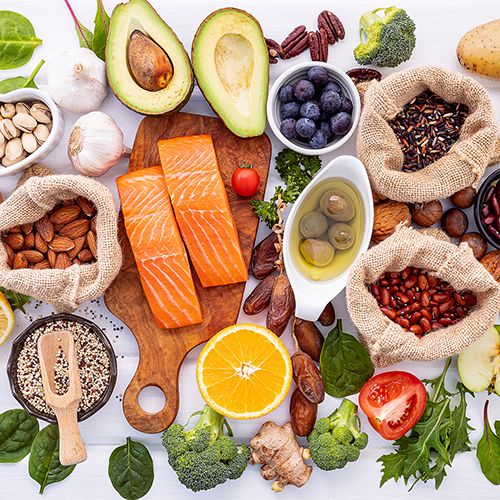
Consuming healthy, “good” fats, including avocado and olive oil, nuts, seeds, salmon etc., are also important. Healthy fats are critical to brain health, help to digest protein, and can also lower cholesterol. So, what are the benefits of a macro nutrition-based diet, and why should you focus on counting macros versus calories?
First, not all calories are created equal. Counting macros will help you make more nutritious choices prioritizing the quality of food versus the quantity. For example, if you’re following a plan where you’re allowed a 200 calorie snack, you might be tempted to eat a 200 calorie bag of Cheez-Its. If you’re counting your macros, you are more likely to select a healthy option, like a small apple with a tablespoon of almond butter. While the 2nd option contains more calories, it also has more nutrients, will keep you fuller for longer, contains more fiber, and is less likely to spike your blood sugar.
When people follow a macro-based nutrition plan, they also tend to eat more protein. Protein is the most satiating of all the macronutrients and requires more energy to digest than carbohydrates or fat. Prioritizing lean sources of protein will help to fuel muscle and will aid in losing or using body fat as energy.
Macro nutrition allows you more freedom to choose the foods you enjoy if it fits your macro plan. Whether you’re looking to lose weight or maintain a healthy weight, macro nutrition is the simplest, healthiest way to accomplish your goals.The health coaches at Cōpare (and our MightyFIT nutrition experts) are well versed in the science of macro nutrition. Please feel free to reach out to any one of them for help in understanding and developing a macronutrient-based nutrition plan that is right for you.